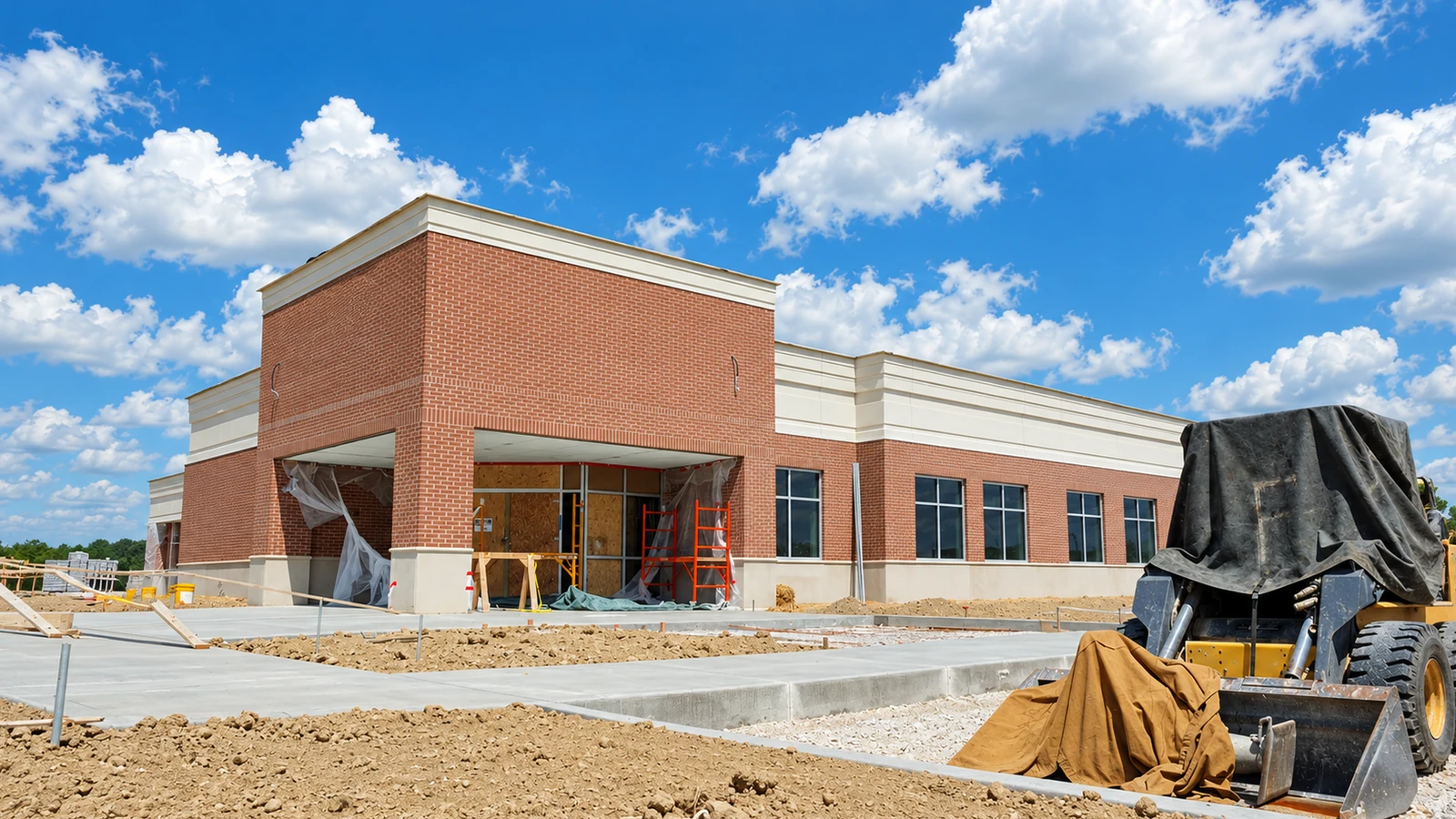
Before committing to a commercial building in Raleigh, understand what the proposed inspection will evaluate. A useful inspection scope reflects the property, how it is used, and the decision you are preparing to make. The same conversation also helps an existing owner plan maintenance or improvements.
We provide commercial property inspections for offices and other commercial spaces throughout North Carolina. Open the Commercial Inspections tab to see the building systems and conditions we evaluate within the agreed scope.
Start with your reason for the inspection
Are you assessing a prospective purchase, preparing to sell, or reviewing a building you already operate? Each situation brings different questions. A buyer may need information about observed conditions before the next purchase discussion. An owner may be deciding which maintenance concerns deserve further attention.
Tell us about the building’s current use and the changes you are considering. A change in how a space will be used may raise questions beyond the condition of its existing systems. Identifying those questions early helps define the inspection and any other evaluations your project may need.
Clarify the systems and areas included
Our commercial assessment considers accessible structural and roof conditions, plumbing, HVAC, electrical systems, fire protection, and interior and exterior conditions. We bring commercial construction experience to that evaluation. The proposed scope should explain which areas and systems will be assessed for your particular property.
Ask what access is needed and which areas may not be available during the visit. A locked room, occupied space, or inaccessible component can limit observations. An inspection should be understood together with its scope and access limitations, rather than treated as confirmation of every concealed condition.
Collect records that explain the property
Maintenance history, earlier inspection findings, and available repair records can provide useful context. Share documents that relate to known concerns, especially where you want to understand whether a reported problem has been addressed. Records supplement the inspection conversation; they do not remove the need to evaluate current accessible conditions.
- The property address and building use
- Available system and maintenance information
- Known roof, moisture, structural, or equipment concerns
- Access arrangements for relevant interior and exterior areas
Use findings to define the next questions
Inspection observations can inform discussions about repairs, maintenance, and a prospective transaction. They also help you identify where further evaluation is needed. Ask for clarification when an observation and a proposed repair do not appear to address the same concern.
If you are considering improvements after the inspection, we can discuss commercial remodeling and repairs separately. That conversation can connect the observed condition with your priorities for the space, while keeping the inspection findings and construction scope clear.